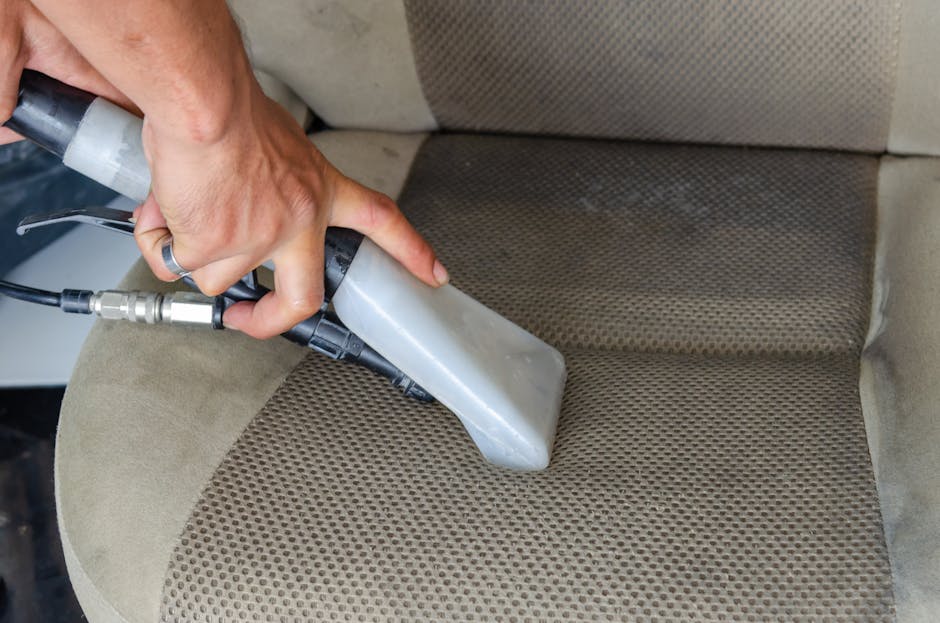
Woolwich emergency stain removal cleaning urgent bookings
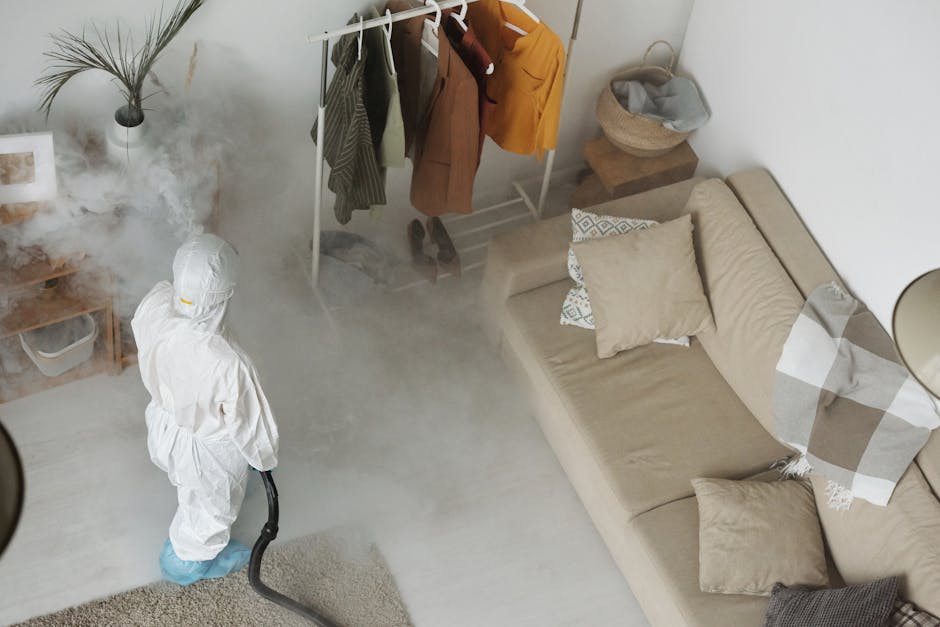
Spills never pick a convenient moment. A glass of red wine on the sofa, muddy footprints on a pale hallway runner, a coffee splash on a work chair just before guests arrive - and suddenly the whole room feels off. If you need Woolwich emergency stain removal cleaning urgent bookings, the main thing you want is simple: fast help, clear advice, and a result that protects the surface before the stain settles in for good.
This guide explains how urgent stain removal works in Woolwich, what to do in the first few minutes, when to call in a professional, and how to avoid the common mistakes that turn a small mishap into a permanent mark. It also covers the practical side - timing, expectations, service choices, and how to book with less stress. Let's face it, when something spills, nobody wants a lecture. You want the stain gone.
Why urgent stain removal matters
With urgent stain removal, time is the difference between a quick recovery and a lasting blemish. Fresh spills spread with surprising speed. Liquids sink into fibres, dyes transfer, and heat can lock a mark in place. That is true for carpets, rugs, sofas, curtains, mattresses, and upholstered office furniture alike.
In Woolwich, people often call for help after everyday accidents that feel small at first: gravy on a dining chair, pet mess on a rug, ink on a rental carpet, or bleach spots from an over-enthusiastic DIY clean. What makes urgent bookings different is the pressure. You may have visitors arriving, a tenancy inspection, a business opening, or just no appetite for staring at the stain all evening.
There is also a practical reason urgency matters. A stain that dries can become harder to lift, and repeated scrubbing can damage pile, flatten texture, or leave a tide mark. Sometimes the stain itself is not the biggest problem - the real damage comes from using the wrong product or too much water. To be fair, that happens more often than people think.
If the stain is on a larger soft furnishing, it may be useful to look at related services such as sofa cleaning, upholstery cleaning, or carpet cleaning when you need the whole item or room treated rather than one spot.
How urgent stain removal works
Urgent stain removal is part advice, part treatment, and part damage control. A good service usually starts with a quick assessment: what caused the stain, what material is affected, how long it has been there, and whether the fabric is colourfast. That last point matters more than people expect. Some textiles tolerate moisture well; others do not.
The usual process looks something like this:
- Identify the stain type. Food, drink, grease, pet accidents, ink, makeup, blood, mud, and dye transfer all behave differently.
- Check the surface. Wool carpet, synthetic pile, natural fibre rug, velvet, linen mix, or leather-look upholstery each needs a different approach.
- Choose the right method. That might be spot treatment, controlled extraction, steam-based cleaning, or a targeted solvent approach.
- Work from the outside in. This helps stop the mark spreading into a larger halo.
- Rinse and neutralise. Removing residue matters because leftover cleaner can attract dirt later.
- Dry properly. Fast drying reduces wicking, odour, and re-soiling.
When an urgent booking is arranged, the aim is not just speed. It is speed with judgement. A rushed clean that lifts the stain but damages the fibres is not a win. The better approach is calm, careful, and a little methodical, even if the situation feels anything but calm.
For more stubborn marks, a dedicated stain removal service can be the right fit, especially when a stain has already been partially set by home treatment.
Key benefits and practical advantages
Emergency stain removal booking offers a few clear benefits, and they are not just cosmetic.
- Less chance of permanent marking. Treating a spill quickly gives you a better chance of lifting it fully.
- Reduced spread. A small patch is easier to manage than a stain that has been scrubbed into a larger area.
- Better fabric protection. The right process preserves pile, colour, and texture.
- Faster return to normal. That matters in homes, rentals, shared properties, and customer-facing spaces.
- Cleaner odour control. Useful for food, drink, pet accidents, and damp-related smells.
- Less stress. Honestly, that is a big one. When the stain is being handled, the room feels manageable again.
There is also a quiet practical benefit: a professional approach often saves time overall. People sometimes spend an hour trying three different homemade remedies, only to end up with a larger patch and a damp, slightly sour smell. Been there, unfortunately.
If the issue is not a single spot but a broader spill or soiling pattern, services like steam carpet cleaning or rug cleaning may be more suitable than spot treatment alone.
Who this is for and when it makes sense
Urgent stain removal is useful for a wide range of people, and the reasons vary quite a bit.
- Homeowners and tenants who need to protect a carpet, sofa, or mattress before the stain settles.
- Landlords and letting agents dealing with last-minute stains before viewings or check-ins.
- Businesses that want customer areas to look presentable without shutting down for long.
- Families with children - because, let's be honest, things get spilled.
- Pet owners managing accidents, odours, or repeated marking.
- Anyone hosting guests after a meal, party, or weekend gathering.
It makes sense to book urgent help when the stain is fresh, visibly spreading, or on a surface you are not confident cleaning safely. It also makes sense when the item is valuable, sentimental, or awkward to replace. A dining chair set, a handmade rug, a favourite armchair - those are not items you want to experiment on with a random spray.
If the problem is linked to pets, you may also want to review pet stain and odour removal because scent and staining often go hand in hand.
Step-by-step guidance
If you are dealing with a fresh spill right now, here is the most sensible sequence. Simple, not fancy. But it works better than panic and paper towels flung around everywhere.
1. Stop the stain from spreading
Blot, do not rub. Use a clean, absorbent white cloth or plain paper towel and press gently from the outer edge towards the centre. Rubbing pushes the stain deeper and frays the fibres.
2. Remove loose material
If there is food, mud, or solid residue, lift it carefully with a spoon or blunt edge. Avoid grinding it in. That tiny extra bit of care can save a lot of trouble later.
3. Keep track of what caused the stain
Knowing whether the spill is oily, sugary, protein-based, or dye-related helps determine the right treatment. Milk, wine, curry sauce, ink, and coffee all need different handling. Sounds obvious, but in the moment people forget.
4. Avoid random chemicals
Do not mix products. Do not overuse bleach on coloured fibres. Do not pour on hot water unless you know the material can take it. On some fabrics, heat makes the mark worse. On others, too much moisture creates a ring.
5. Book the right type of help
If the stain is on carpet or flooring textile, a steam-based clean or targeted carpet cleaning may be appropriate. If it is on seating or a fabric item, upholstery cleaning or sofa cleaning may be the better route.
6. Ask for realistic expectations
Not every stain can be removed completely, especially if it has oxidised, faded the dye, or set under heat. A good cleaner should explain the likely outcome clearly. That kind of honesty is worth a lot.
Expert tips for better results
A few practical habits can make a surprising difference to the final result. These are the small details people often skip when they are in a hurry.
- Act quickly, but carefully. A fast bad clean is still a bad clean.
- Use white cloths only. Coloured towels can transfer dye.
- Test first on hidden fabric. A discreet patch test can prevent a nasty surprise.
- Work in small stages. Gentle repeated treatment is usually safer than aggressive scrubbing.
- Ventilate the room. Fresh air helps drying and reduces lingering odours.
- Keep pets and children away while drying. That sounds obvious, yet people forget once the panic passes.
One thing worth saying: if a stain has left a faint outline after drying, it may be wicking rather than a leftover surface mark. That means residue is travelling upward as the fabric dries. It is annoying, yes, but it can often be managed with the right rinse and extraction rather than more detergent.
If the fabric is delicate, particularly on chairs or cushions, you may find upholstery cleaning more appropriate than a home spot-clean. And if it is a higher-traffic business area, commercial carpet cleaning can help restore a professional finish without unnecessary disruption.
Common mistakes to avoid
Most stain disasters get worse because of a handful of very common mistakes. The good news? They are avoidable.
- Scrubbing hard. This can damage the pile and push the stain deeper.
- Using too much water. Excess moisture can spread the mark and slow drying.
- Trying every product in the cupboard. Mixing chemicals is risky and can create new stains or fumes.
- Using heat too soon. A hairdryer or hot iron can fix a stain in place.
- Ignoring the backing or underlay. If liquid has soaked through, the visible surface may only be part of the problem.
- Assuming all fabrics are the same. They absolutely are not.
There is also a quieter mistake: waiting too long because the stain does not look dramatic. A pale spot can still be a spreading residue issue underneath. If you can smell it, or if the fabric feels sticky, you probably need more than a surface wipe.
Tools, resources and recommendations
You do not need a cupboard full of specialist products to handle an emergency correctly. In fact, a small, sensible kit is better than a chaotic collection of miracle sprays.
| Item | Why it helps | Good for |
|---|---|---|
| White microfibre cloths | Safe blotting without dye transfer | Fresh spills on most soft surfaces |
| Plain paper towels | Quick first response for liquids | Small drink spills and drips |
| Soft brush | Lifts dry debris without harsh rubbing | Mud, crumbs, dried residue |
| Clean lukewarm water | Useful for controlled blotting | Many common household stains |
| Professional spot treatment | Chosen to suit the stain type and fabric | Set stains, delicate materials, odour issues |
For readers comparing service options, a useful next step is to check pricing and quotes alongside the company's insurance and safety information. That gives you a better sense of value and reassurance before you book, especially if the item is expensive or the situation is urgent.
If sustainability matters to you, it can also be worth reviewing recycling and sustainability. Some customers like knowing how waste water, product use, and resource handling are approached. Fair enough.
Law, compliance, standards, and best practice
For most customers, the main compliance concern is not a technical legal one - it is whether the service is carried out safely, responsibly, and with respect for the property. In the UK, good practice usually means clear communication, sensible chemical use, awareness of fragile materials, and care around slip risks while surfaces are drying.
In homes and rented properties, it is wise to follow the instructions of the fabric or flooring manufacturer where known. If the item has a care label, keep it in mind. Some materials are dry-clean only, some tolerate controlled water-based cleaning, and others need a very cautious approach. A professional should be happy to explain the method before starting.
For workplaces and customer-facing premises, good practice also includes minimising disruption, reducing slip hazards, and keeping cleaning equipment tidy and safe. If the stain affects a public or staff area, quicker action is usually better for both appearance and day-to-day safety.
Responsible providers should also have straightforward policies on health and safety, payment and security, and terms and conditions. Those pages may not be exciting reading, but they do matter when you are booking in a rush and want things handled properly.
Options, methods, and comparison table
Not every stain needs the same treatment. Choosing the right option depends on the surface, the stain, and how much time has passed. Here is a simple comparison to help you think it through.
| Method | Best for | Strengths | Limitations |
|---|---|---|---|
| Blotting and spot treatment | Fresh, localised spills | Quick, targeted, low disruption | May not remove set stains fully |
| Steam extraction | Carpets and some textiles | Useful for deeper soils and residue | Not suitable for every delicate fabric |
| Upholstery cleaning | Sofas, chairs, cushions | Designed for seated fabrics and seams | Drying time can vary by fabric type |
| Rug cleaning | Loose rugs, runners, decorative pieces | Better control over fibres and backing | May require off-site handling for some rugs |
| Pet odour treatment | Accidents with smell as well as stain | Targets both appearance and odour | May need repeat treatment if staining is deep |
A simple rule helps here: if the issue is a splash on a single area, spot treatment may be enough. If the stain has travelled, smells, or affected a large upholstered surface, a fuller service is usually the smarter call.
Case study or real-world example
Imagine a typical Friday evening in Woolwich. Someone is setting the table, a plate is nudged, and a dark sauce lands on a light carpet near the lounge doorway. The first instinct is to rub it. The second instinct is to pour on water. By the time the panic settles, the stain is broader, the fibres are flattened, and the carpet smells damp.
A more sensible approach would be to blot the area, keep the spill contained, and arrange urgent help before the stain dries fully. In a case like that, a cleaner would usually inspect the fibre, treat the mark in stages, and check for residue after the first lift. If the stain has soaked into the pile or underlay, they may need to repeat the treatment carefully rather than force the issue.
Another common example is pet accident cleanup. The visible mark might look small, but the odour can linger and the stain can wick back after drying. That is where a combined approach matters. A surface-only clean can leave the room looking better for an hour, then the smell returns. Not ideal, to say the least.
In cases like these, the value of a proper emergency booking is not just speed. It is choosing the right method first, so you do not end up paying twice.
Practical checklist
Use this checklist if you need to act quickly. Save it mentally, or better yet, just pin it in your head for the next mishap.
- Identify what caused the stain.
- Blot gently with a clean white cloth.
- Do not scrub or use random chemicals.
- Keep heat away from the stain.
- Check whether the fabric label gives any care instructions.
- Note whether the spill has reached the backing or underlay.
- Decide whether the item is delicate, valuable, or difficult to replace.
- Arrange urgent professional help if the stain is spreading or setting.
- Ask about drying time and aftercare before the visit ends.
- Keep the area clear so the cleaner can work efficiently.
If the item is part of a larger interior refresh, you might also consider mattress cleaning, curtain cleaning, or a broader carpet cleaning visit while the team is already there. Sometimes it is simpler to deal with more than one problem at once.
Get a free quote today and see how much you can save.
Conclusion
Urgent stain removal is one of those services you do not think about until you really need it. Then you need it now. The good news is that a calm, careful response can often make a dramatic difference, especially when the spill is fresh and the right method is chosen early.
For Woolwich homes, rentals, and businesses, the best outcome usually comes from acting quickly, avoiding common DIY mistakes, and choosing a service that matches the material rather than just the mess. That may sound straightforward, but in a real spill situation it is easy to miss the obvious. A steady hand wins more often than a frantic one.
When the stain is sorted, the room feels like itself again. And that is a lovely moment, even if it starts with a bit of chaos.
Frequently Asked Questions
How quickly should I book emergency stain removal after a spill?
The sooner the better. Fresh stains are easier to lift, and quick action reduces the chance of spreading, set-in residue, or odour. If you cannot clean it safely yourself, book as soon as possible.
Can all stains be removed completely?
No, not always. Some stains permanently alter the fibre or dye, especially if heat, bleach, or vigorous scrubbing has already been used. A good cleaner should explain the likely outcome honestly before starting.
What should I do before the cleaner arrives?
Blot gently, keep the area clear, avoid using more products, and note what caused the stain. If you can tell them whether it is food, drink, pet-related, ink, or grease, that helps them choose the right approach.
Is steam cleaning suitable for every emergency stain?
Not every one. Steam extraction can be effective on many carpets and some textiles, but delicate fabrics or dye-sensitive materials may need a different method. The fabric type matters a lot.
Will urgent stain removal damage my carpet or sofa?
It should not, if the method is chosen carefully and the material is assessed properly. Damage usually comes from the wrong cleaner, too much moisture, harsh scrubbing, or heat. That is why experience matters.
What if the stain has already dried?
It can still often be treated, but the job may be more involved. Set stains usually need more careful work and sometimes repeat treatment. Some may improve significantly even if they cannot be fully removed.
Do pet accidents need special treatment?
Yes, because there is often both a stain and an odour issue. Pet accidents can soak into fibres and backing materials, so a targeted approach is usually better than a surface wipe.
How do urgent bookings work for businesses?
Usually the cleaner will prioritise the affected area, assess the material, and work to minimise disruption. For customer-facing premises, speed and low downtime are often the main concerns.
Should I try a supermarket stain remover first?
Only if you are confident it suits the material and you have tested it carefully. If the item is valuable, delicate, or already damp from another treatment, it is safer to stop and get advice before adding anything else.
What surfaces can be treated besides carpets?
Common urgent bookings include sofas, chairs, upholstery, rugs, curtains, and mattresses. Different surfaces need different techniques, which is why a one-size-fits-all approach rarely works well.
Is there a difference between stain removal and full cleaning?
Yes. Stain removal focuses on the affected spot, while full cleaning treats a broader area or the entire item. If the spill has spread or left a general mark, a fuller clean may be the better value.
How do I know if I need help right away?
If the stain is fresh, spreading, smelly, on a delicate fabric, or on something hard to replace, urgent help makes sense. When in doubt, it is usually better to ask before the stain has time to settle in.
For service details, company information, or to understand how bookings are handled, you may also want to review the about us page, the contact us page, and the complaints procedure if you need extra reassurance before booking. Clear information makes urgent decisions feel a lot less rushed.