Simple Steps to Maintain a Dust-Free and Allergy-Free House
Simple Steps to Maintain a Dust-Free and Allergy-Free House
Is your home constantly plagued by dust and allergens? These unwelcome guests often make life uncomfortable, triggering sneezing, itching, and worsening allergies or asthma. Fortunately, keeping a dust-free and allergy-free house is not as hard as it may seem. By developing a routine and understanding which cleaning techniques actually work, you can enjoy a cleaner, healthier living space for you and your family.
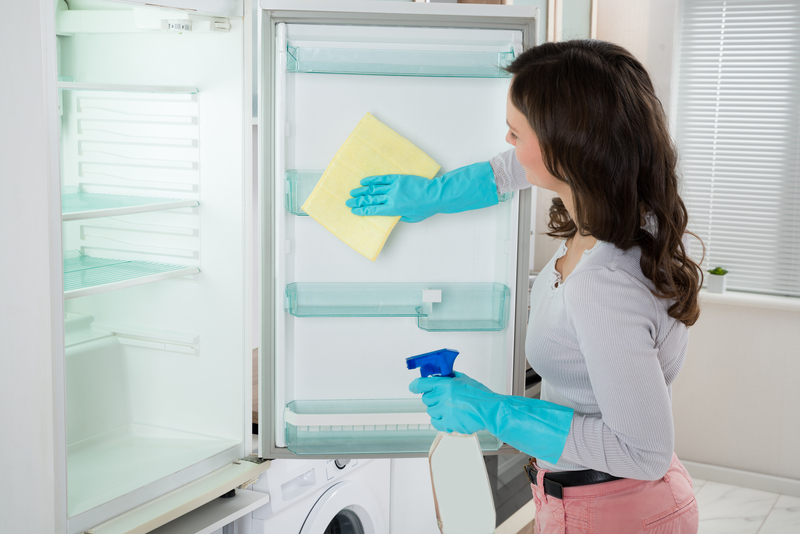
Why Is Dust Control Essential for an Allergy-Free Home?
Dust isn't just an eyesore. It's a complex mixture of tiny particles, including dead skin, pollen, fibers, pet dander, and even dust mites and their droppings. These components are known triggers for allergies and respiratory issues. Maintaining low dust levels isn't just about cleanliness--it's about creating a safe, comfortable, and healthy environment for everyone.
- Dust can carry allergens that trigger sneezing, runny nose, and itchy eyes.
- High dust levels can aggravate asthma and other respiratory conditions.
- By reducing dust and allergens, you support better sleep and overall wellness.
Understanding Where Dust and Allergens Hide
Before you can effectively eliminate dust and allergens, it helps to know where they accumulate. Here are some common hotspots in any house:
- Curtains and blinds (which trap loose particles)
- Carpets and rugs
- Upholstered furniture
- Bedding and mattresses
- Air vents, ducts, and ceiling fans
- Baseboards and behind appliances
Targeting these areas during your housework will make a big impact on maintaining dust-free and allergy-free home environments.
Step-by-Step Guide to a Dust-Free and Allergy-Free House
Ready to breathe easier and say goodbye to allergens? Let's explore the most effective techniques and routines to keep your house dust-free and allergy-free.
Step 1: Regular and Systematic Cleaning
Consistency is the key to success. Start with a regular cleaning schedule and stick to it.
- Dust at least once a week. Use a damp microfiber cloth to ensure particles are trapped and not knocked into the air.
- Vacuum carpets, rugs, and upholstery twice a week--especially if you have pets.
- Don't forget to dust hidden spaces: under furniture, tops of bookshelves, and behind appliances.
Tip: Always clean from the top down--start with higher surfaces and finish with the floor. This prevents redistributed dust from contaminating already-cleaned areas.
Step 2: Invest in the Right Cleaning Tools
Old-fashioned feather dusters are often counterproductive. They simply move dust around. Instead, opt for:
- Microfiber cloths (trap and lock in dust effectively)
- HEPA (High-Efficiency Particulate Air) filter vacuums, which capture minuscule particles
- Damp mops for hard floors
- Lint rollers for quick furniture and decor touch-ups
The right tools make achieving a dust-free and allergy-proof house much easier and far more efficient.
Step 3: Minimize Clutter and Decorative Fabrics
Clutter offers more surfaces for dust to settle on. Soft furnishings are particularly notorious for harboring allergens.
- Keep decorative items to a minimum--choose easy-to-wipe decorative pieces.
- Wash throw blankets and cushion covers regularly.
- Opt for blinds instead of heavy drapery, or use washable curtains.
- Store items in closed cabinets instead of open shelves where possible.
Step 4: Wash Bedding and Fabrics Frequently
Beds are hotspots for dust mites and allergens--these can worsen nighttime allergies.
- Wash sheets, pillowcases, and blankets weekly in hot water (at least 130?F/54?C).
- Buy allergen-proof covers for pillows and mattresses.
- Replace pillows every 18-24 months to prevent dust mite build-up.
- Launder stuffed toys and pet bedding regularly.
Tip: Consider synthetic materials over feather- or down-filled bedding. These are less likely to trigger allergies.
Step 5: Control Indoor Air Quality
The air inside your home can carry almost invisible amounts of dust and allergens. Maintaining fresh indoor air is essential for an allergy-free living space.
- Use a high-quality HEPA air purifier in the bedroom and living room.
- Change HVAC filters every 2-3 months; choose filters with a high MERV rating for allergy control.
- Have your air ducts cleaned professionally every few years, especially in older homes.
- Keep windows closed during high pollen seasons and windy days.
- Encourage a no-shoes policy indoors to reduce what's tracked in.
Step 6: Maintain Humidity Levels
Dust mites thrive in humidity above 50%. By keeping your home's humidity in check, you can significantly reduce dust mite populations and mold growth.
- Use a dehumidifier if you live in a humid climate.
- Ideal indoor humidity is between 35% and 50%.
- Ventilate kitchens and bathrooms well using exhaust fans.
- Repair leaks and address water damage promptly.
Step 7: Groom Pets Regularly
Pets are beloved, but they shed dander and bring pollen or dust inside. With a consistent grooming routine, you can reduce allergens:
- Bathe pets at least monthly (or as recommended by your vet).
- Brush fur outdoors to keep loose hair and dander outside the home.
- Wash pet bedding and toys every week.
- Wipe their paws after walks to prevent tracking allergens.
Step 8: Seal Entry Points and Maintain Exteriors
Outdoor dust can easily find its way in through open windows, doors, cracks, and poorly sealed vents.
- Install high-quality doormats outside and inside entryways and clean them often.
- Weather-strip doors and windows to prevent drafts and incoming dust.
- Keep outdoor areas, such as porches and garages, tidy to avoid tracking in dust, dirt, or pollen.
Additional Tips for a Totally Dust-Free and Allergy-Friendly House
- Switch to hard flooring. Carpets trap more dust and allergens than wood, tile, or vinyl flooring.
- Clean ceiling fans, light fixtures, and air vents every month.
- Store off-season clothes in sealed containers to prevent dust build-up.
- Avoid scented sprays and chemical cleaners--some trigger allergies or make air quality worse. Choose non-toxic, hypoallergenic cleaners whenever possible.
- Consider replacing old, worn-out furniture and mattresses--these can become major reservoirs for dust mites and allergens.
What to Avoid When Creating an Allergy-Free Home
Some cleaning practices can backfire. To truly maintain a dust-free and allergy-free living space, be mindful to avoid the following:
- Using dry brooms or dusters that stir up particles into the air.
- Letting clutter accumulate, especially in less-frequented areas.
- Ignoring HVAC maintenance and filter changes.
- Allowing pets on beds if allergies are severe.
- Neglecting to address water leaks or indoor humidity spikes.
Myths About Dust and Allergy Control
There's a lot of misinformation about how to keep your house dust-free and allergy-proof. Let's clear up a few common myths:
- Myth: "Air purifiers alone will keep my home dust-free."
Reality: Air purifiers help, but they must be paired with regular cleaning. - Myth: "All dust is removed by vacuuming."
Reality: Most standard vacuums lack HEPA filters and simply recirculate dust--always choose a vacuum designed for allergy control. - Myth: "You can't control pet allergens."
Reality: With diligent grooming and cleaning, you can dramatically reduce pet dander in the home.

Benefits of Maintaining a Dust-Free and Allergy-Free House
- Better health and fewer allergy or asthma flare-ups
- Improved sleep quality for everyone
- Clean surfaces and air promote mental clarity and productivity
- Longer-lasting furnishings, carpets, and electronics (dust can clog devices!)
- A welcoming and visually appealing environment for residents and guests alike
Conclusion: Enjoy a Dust-Free, Allergy-Safe Haven
Maintaining a dust-free and allergy-free house doesn't require endless effort or high expense. By applying simple but consistent habits--using proper tools, cleaning strategically, reducing clutter, improving air quality, and handling pet care--you'll create a healthier, happier home for you and your loved ones. Start today, adopt these steps, and soon you'll breathe easier, sleep better, and enjoy the many rewards of an allergy-proof, dust-free home.
Remember, prevention is the best cure for dust and allergies. Stay proactive--and your house will reward you with fresh air and comfort year-round.