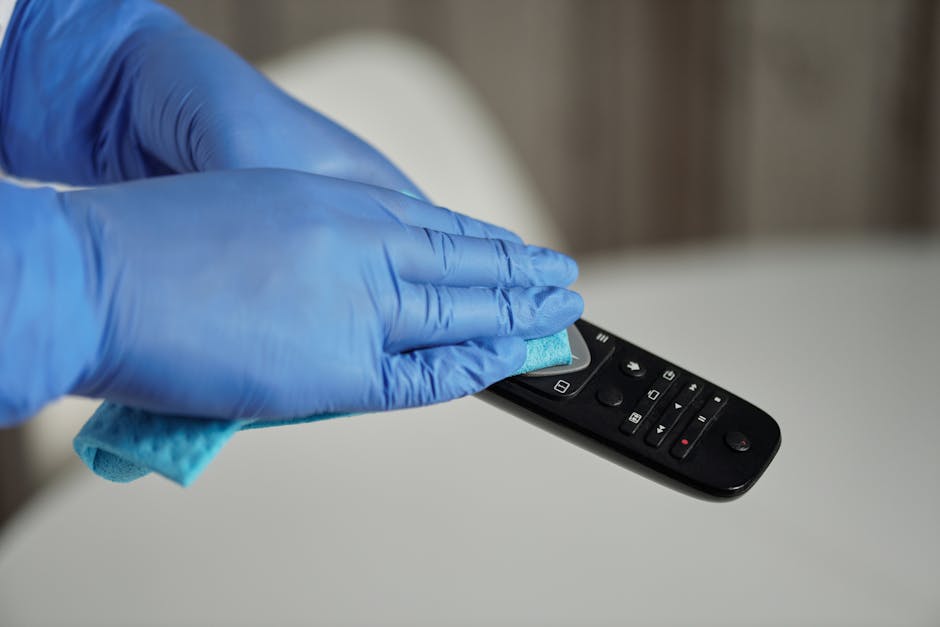
Avoid common cleaning mistakes in flats near Woolwich Arsenal
If you live in a flat near Woolwich Arsenal, cleaning can feel like a small weekly task that somehow turns complicated by Friday afternoon. Shared hallways, compact rooms, older finishes, lift access, parking, neighbours, lease rules, a bit of London dust drifting in through the window - it all adds up. The good news? Most cleaning headaches come from a handful of avoidable mistakes. Once you know what they are, you can keep your flat fresher for longer, protect surfaces, and avoid the awkward moments that come from making a small problem bigger.
This guide is built to help you avoid common cleaning mistakes in flats near Woolwich Arsenal with practical advice that actually works in real homes. We'll cover the habits that cause damage, the best way to clean different areas of a flat, and the steps that make life easier whether you're doing a quick tidy or a deeper clean before guests, a tenancy check, or a move.
Table of Contents
- Why avoiding cleaning mistakes matters
- How the cleaning approach works in a flat
- Key benefits and practical advantages
- Who this is for and when it makes sense
- Step-by-step guidance
- Expert tips for better results
- Common mistakes to avoid
- Tools, resources and recommendations
- Law, compliance, standards and best practice
- Options, methods, or comparison table
- Case study or real-world example
- Practical checklist
- Conclusion
- Frequently asked questions
Why Avoid common cleaning mistakes in flats near Woolwich Arsenal Matters
Flat cleaning is different from cleaning a house. In a flat, you're often working with smaller rooms, more joins and edges, and more shared infrastructure. A damp patch on a carpet near the entrance might be caused by shoes, not spills. A stale smell may travel from under a sofa before you even notice where it starts. And if you scrub too hard on the wrong surface, you can leave marks that show up every time the light hits them. Annoying, yes. Expensive, sometimes.
There's also the local reality. Many flats around Woolwich Arsenal are busy, lived-in spaces where people come and go at odd hours. That means muddy trainers, takeaway crumbs, pet hair, condensation, and a lot of quick-cleaning between proper cleans. If you only clean reactively, the job gets harder. If you use the wrong method, you may spread grime rather than remove it. Truth be told, that's when a tidy flat starts looking tired.
Another reason this matters is tenancy and shared living. Whether you own, rent, or are preparing a flat for new occupants, cleanliness can affect comfort, deposit discussions, and how long surfaces stay in good condition. Soft furnishings, in particular, take more wear than people realise. A sofa, rug, or mattress can hold on to dust and odour long after the room looks "clean enough".
Expert takeaway: the biggest mistake in flat cleaning is not lack of effort - it's using the wrong process for the space. Smaller homes need slower, more targeted cleaning, not more aggressive cleaning.
How Avoid common cleaning mistakes in flats near Woolwich Arsenal Works
At its simplest, avoiding mistakes means cleaning in the right order, with the right products, at the right strength. That sounds obvious, but it is where most people go off track. A rushed wipe-down often starts with the most visible area and ignores the hidden ones: skirting edges, under furniture, behind radiators, fabric seams, and the corners where dust quietly settles.
Good flat cleaning works like this: you remove loose dirt first, treat stains carefully, clean from top to bottom, and allow enough drying time. In flats, airflow is often more limited than in a house, so moisture management matters a lot. Too much water in a carpet or upholstery item can linger longer than expected, and in a small space, that can mean musty smells or a damp feel in the room. Not ideal on a rainy London morning.
There's also a difference between daily maintenance and deep cleaning. Daily cleaning handles surface dust, kitchen residue, bathroom splash marks, and general tidying. Deep cleaning deals with embedded grime, greasy build-up, staining, allergens, and areas that are easy to skip when you're tired. If you blur those two jobs together, you can end up either over-cleaning delicate materials or under-cleaning the high-traffic spots.
For example, a hallway runner may look fine until you vacuum it properly and notice the colour return. Or a sofa arm may seem clean until you touch it and feel that slight tackiness from body oils. Those little details are where better results come from. No drama, just method.
Key Benefits and Practical Advantages
When you clean a flat the right way, the benefits go beyond appearance. You'll notice the difference in how the room feels, how long it stays clean, and how much effort you need next time. That's the real win.
- Less wear and tear: gentle, correct cleaning helps protect carpets, upholstery, and hard floors from premature damage.
- Better indoor freshness: removing trapped dust and odours makes small rooms feel noticeably lighter.
- Fewer repeat jobs: when you clean properly the first time, you don't keep revisiting the same patch.
- Safer surfaces: less residue means less slipperiness on hard floors and less sticky build-up on touchpoints.
- More confidence before inspections or guests: a well-kept flat simply feels more settled and welcoming.
There's another practical benefit people don't mention enough: good cleaning saves decision fatigue. Once you know which mistakes to avoid, you don't spend half an evening wondering whether to use bleach, steam, spray foam, or a vinegar mix you found in a cupboard from 2021. You just get on with it.
If your flat includes delicate soft furnishings, it may be worth looking at specialist support such as upholstery cleaning, sofa cleaning, or rug cleaning when household cleaning starts to fall short. Those items often need a more careful touch than a standard wipe-down can offer.
Who This Is For and When It Makes Sense
This advice is for anyone living in or looking after a flat near Woolwich Arsenal - tenants, leaseholders, landlords, flat-share residents, and anyone trying to keep a small home looking decent without spending every spare minute cleaning. If your place has high foot traffic, pets, children, or a mix of cooking, working, and sleeping in one compact area, the risk of cleaning mistakes goes up fast.
It also makes sense if you are:
- preparing for a tenancy inspection or end-of-tenancy clean
- trying to remove food, drink, pet, or everyday dirt stains
- dealing with smell build-up in carpets or upholstery
- staying on top of maintenance in a busy household
- wondering whether steam cleaning, spot cleaning, or professional help is the better option
In a flat-share, the problem is often consistency. One person cleans the bathroom properly; another gives the kitchen sink a quick rinse and calls it done. Then suddenly the whole place feels grimy. Shared spaces need simple routines that everyone can follow, otherwise the standards drift. Slowly at first, then all at once.
Step-by-Step Guidance
1. Start by clearing the space
Move light items, gather loose clutter, and remove anything sitting on surfaces that will slow you down. Cleaning around piles of mail and charging cables is not efficient. It's theatre. In a flat, even a small amount of clutter can make the room feel twice as messy.
2. Deal with dust before moisture
Dust dry areas first: shelves, skirting boards, window ledges, and the tops of frames. Then vacuum floors and upholstery before bringing in water-based products. This matters because damp cleaning can turn loose dust into streaks, especially on darker surfaces.
3. Treat stains individually
Do not attack every mark with the same spray. Food spots, pet accidents, ink, makeup, and drink spills all behave differently. For stubborn marks, a dedicated stain removal approach is usually safer than improvising with whatever is to hand. Blot first, test in a hidden spot, and work from the outside in so the stain doesn't spread.
4. Clean soft furnishings carefully
Sofas, curtains, rugs, and mattresses collect more than people think. They trap dust, odour, oils, and everyday particles that linger in a flat. If the item is valuable or lightly stained, do not flood it. Light, even cleaning is usually better than an enthusiastic soak. For more stubborn issues, look at curtain cleaning or mattress cleaning if the job is beyond routine care.
5. Work room by room
It is tempting to bounce around the flat, cleaning the sink, then the bedroom, then the hallway, then back to the kitchen. It feels busy, but it's messy from a process point of view. Finish one room before moving on. That way you can see what's done, spot what's still dirty, and avoid missing corners.
6. Finish with drying and ventilation
Open windows where practical, switch on fans if you have them, and give fabrics time to dry fully. A flat that stays damp after cleaning can develop a stale smell very quickly. In winter, this can be a bit of a balancing act, but even a short burst of fresh air helps.
Expert Tips for Better Results
Here's where the small improvements make a big difference. Nothing flashy. Just the sort of habits that keep a flat looking cared for rather than merely wiped down.
- Use less product than you think. More cleaner does not always mean more clean. In fact, residue often attracts dirt.
- Test first. Especially on painted surfaces, natural fibres, and older carpets.
- Vacuum slowly. A rushed pass misses embedded dust and crumbs. Slow wins here.
- Clean handles and switches regularly. These high-touch areas collect grime faster than most people realise.
- Rotate soft furnishings. Turning cushions or moving rugs slightly helps spread wear.
- Keep a small stain kit ready. A clean cloth, mild detergent, and a simple spot-treatment routine can save a lot of hassle.
One useful local tip: in flats near transport links and busier streets, fine dust finds its way indoors more easily than you'd expect. So a "good enough" clean can become a poor one faster than in quieter areas. It's not dramatic, just life in London. If you stay ahead of it, things are much easier.
If you ever feel uncertain about the condition of carpets or fabric items, professional support from a trusted provider can help. Services such as carpet cleaning and steam carpet cleaning can be especially useful when ordinary methods no longer shift deep dirt.
Common Mistakes to Avoid
This is the section that saves people the most grief. A lot of cleaning damage happens slowly, through repeated small errors. You probably won't notice after one bad session. After ten, you will.
- Using too much water on carpets or upholstery. It can leave moisture trapped in the material and cause odour or long drying times.
- Scrubbing stains aggressively. That can push the mark deeper or rough up the fibres.
- Mixing random products. A "this should be fine" approach can lead to residue, discolouration, or worse. Keep it simple.
- Ignoring the hidden spots. Behind doors, under beds, under the sofa, and around radiator edges are classic missed zones.
- Cleaning in the wrong order. If you mop before dusting, you may end up creating muddy streaks.
- Leaving fabrics to dry without airflow. In a flat, still air and damp fabric are not a friendly combination.
- Forgetting pet odours. Masking smell is not the same as removing the source. If pets are part of the household, specialist pet stain odour removal can be worth considering.
And yes, everybody makes at least one of these mistakes at some point. Cleaning is like cooking in that way - the method looks simple until you've done it badly once.
Tools, Resources and Recommendations
You do not need a cupboard full of gadgets. A sensible flat-cleaning kit is usually enough:
- a vacuum cleaner with a decent attachment set
- microfibre cloths for dust and polish-free wiping
- a bucket or spray bottle for diluted solutions
- soft brushes for seams, grout lines, and textured surfaces
- plain, non-abrasive cleaner suitable for the surface
- clean towels for blotting and drying
- a small handheld brush or lint roller for quick fabric refreshes
If your place has a lot of textiles, consider whether the job is really a general clean or a fabric-specific one. For example, a flat with curtains, rugs, and a well-used sofa may benefit more from a planned rotation of specialist care than from one huge clean every six months. That's where sofa cleaning and rug cleaning become part of a smarter maintenance routine, not just an emergency fix.
It also helps to think about what not to buy. Very harsh cleaners, overloaded fragrance sprays, and oversized "all-in-one" products often sound convenient but can be disappointing in practice. Strong smell does not equal strong cleaning. Sometimes it just means your flat smells like chemicals and old soap, which, to be fair, is not the goal.
Law, Compliance, Standards, or Best Practice
For most residents, cleaning a flat is not a regulated task in the legal sense. But there are still sensible standards to follow, especially where health, safety, tenancy, and property care are concerned. In the UK, the basic expectation is that cleaning products are used safely, instructions are followed, and surfaces are treated in a way that avoids damage. That sounds simple because it is - but simple doesn't mean careless.
If you rent, your tenancy agreement may set expectations around cleanliness, end-of-tenancy condition, and responsibility for damage versus ordinary wear. If you are a landlord or managing property, keeping records of maintenance and using reputable, insured services can help reduce disputes later. For that reason, it can be helpful to review pages such as terms and conditions, insurance and safety, and health and safety policy when arranging any professional cleaning support.
There's also a practical sustainability angle. Using less water, avoiding wasteful repeat cleaning, and choosing the right method the first time all reduce unnecessary resource use. If that matters to you - and for many people it does - a thoughtful approach is better than a heavy-handed one. You can also read more about the company's approach on recycling and sustainability.
Options, Methods, or Comparison Table
Different cleaning methods suit different jobs. The wrong method is where people get into trouble, so a quick comparison helps.
| Method | Best for | Strengths | Watch out for |
|---|---|---|---|
| Dry dusting and vacuuming | Routine maintenance, dust, crumbs, pet hair | Fast, low-risk, good for frequent use | Won't remove embedded stains or odour |
| Light surface cleaning | Kitchens, bathrooms, hard surfaces | Good for daily and weekly upkeep | Can smear dirt if surfaces are not first cleared |
| Spot treatment | Fresh spills, isolated marks | Targets the problem directly | Needs the right product and gentle technique |
| Steam cleaning | Some carpets and upholstery, deeper refreshes | Useful for embedded dirt and a deeper clean | Not suitable for every material; drying matters |
| Specialist fabric cleaning | Sofas, rugs, curtains, mattresses | More precise and material-aware | Usually best left to trained hands if items are delicate |
In simple terms: routine methods keep things under control; specialist methods rescue problem areas. If you try to force one method to do everything, you usually get mixed results. A bit like using a teaspoon to dig a garden.
Case Study or Real-World Example
A small flat near Woolwich Arsenal had a familiar problem: a narrow hallway, a compact living room, and a sofa that had become the family landing zone. Shoes were kicked off by the door, a takeaway spill had been rubbed in rather than blotted, and the rug near the coffee table had started to hold a faint odour that was easiest to notice in the evening.
The first cleaning attempt was the classic mistake: too much spray, too much scrubbing, and not enough drying time. The spill faded, but the fabric looked patchy and the room still felt a little stale. The fix was more measured. Loose debris was removed first, the rug was treated separately, the sofa was cleaned with a gentler approach, and the flat was aired properly after each stage. The difference was not dramatic in the cinematic sense. It was better than that. It was the kind of improvement you notice every time you sit down and think, yes, that feels cleaner.
That sort of example comes up a lot in compact homes. The issue is rarely one big disaster. It is usually a chain of small mistakes: a damp patch left too long, a stain rubbed instead of lifted, a soft furnishing ignored for months, a final step skipped because everyone is tired. Familiar, isn't it?
Practical Checklist
Use this as a quick run-through before you start:
- Clear clutter from the room first
- Dust and vacuum before using any wet cleaner
- Check the material before choosing a product
- Test cleaning products in a hidden area
- Blot stains rather than scrubbing hard
- Use minimal moisture on carpets and upholstery
- Clean high-touch surfaces regularly
- Don't forget under furniture and along edges
- Allow enough drying time with ventilation where possible
- Deal with odour at the source, not just with fragrance
- Book specialist help if an item is delicate, valuable, or heavily stained
If you can tick most of those boxes, you are already avoiding the most common problems. And that honestly puts you ahead of a lot of people.
Get a free quote today and see how much you can save.
Conclusion
The best way to avoid common cleaning mistakes in flats near Woolwich Arsenal is not to clean harder. It is to clean smarter. Use the right order, use the right amount of product, respect the material, and give everything time to dry. That approach keeps your flat fresher, protects your furnishings, and reduces the need for repeated fixes.
In a busy London flat, that matters more than people realise. Small choices stack up. The right routine makes your home easier to live in, easier to maintain, and a lot less stressful on the days when the place seems to need cleaning again five minutes after you've finished. Still, when you get it right, it feels good. Quietly good. The sort of good that lasts.
Frequently Asked Questions
What are the most common cleaning mistakes in flats near Woolwich Arsenal?
The biggest ones are using too much water, scrubbing stains too hard, skipping hidden areas, cleaning in the wrong order, and not allowing fabrics to dry properly. Those errors are especially common in smaller flats where airflow is limited.
Why do flats need a different cleaning approach from houses?
Flats often have tighter spaces, more shared access, and less ventilation. That means dust, moisture, and odours can build up faster. A slower, more targeted routine usually works better than aggressive all-over cleaning.
Is steam cleaning safe for all carpets and upholstery?
No, not automatically. Steam cleaning can be useful, but not every material likes heat or moisture. If you're unsure, check the fabric care instructions or use a specialist service such as steam carpet cleaning where appropriate.
How do I stop my flat smelling musty after cleaning?
Drying is the key. Use less water, improve airflow, and make sure carpets, rugs, and soft furniture are fully dry before closing windows and packing the room back up. If an odour keeps returning, the source may be deeper in the fabric.
What is the safest way to remove a fresh stain?
Blot it gently with a clean cloth first. Do not rub. Work from the outside of the stain towards the centre, and test any product in a hidden spot before applying it more widely.
How often should I deep clean a flat?
That depends on how many people live there, whether you have pets, and how much traffic the space gets. A busy flat usually benefits from regular maintenance plus periodic deeper cleaning of carpets and fabrics.
Can I use one cleaner on everything?
It's better not to. Different surfaces need different levels of care. A cleaner that works fine on a kitchen counter may be too harsh for fabric or a painted wall.
What should tenants pay special attention to before moving out?
Focus on hidden dirt, bathrooms, kitchens, carpets, and marks on soft furnishings. Landlords and letting agents often notice the small stuff. The corners, the skirting, the inside of cupboards - those details matter.
When should I book professional cleaning instead of doing it myself?
If a stain is old, a smell will not shift, a fabric item is delicate, or you simply do not have the time, professional help can be the sensible option. Pages like carpet cleaning, sofa cleaning, and upholstery cleaning may be useful starting points.
Do cleaning products need to be rinsed off?
Sometimes yes, sometimes no. It depends on the product and the surface. Leaving residue behind can attract dirt, so always follow the label instructions carefully. More product is not more clean, despite what the bottle may suggest.
Are there any safety concerns with DIY cleaning in a flat?
Yes. Ventilation matters, and mixing products can be risky. Also, too much moisture can affect flooring and fabric. If you're using stronger products, take care with gloves, windows, and keeping the area safe for children and pets.
Where can I learn more about service standards and company policies?
You can review the company's publicly listed pages for helpful background, including about us, pricing and quotes, and insurance and safety. They can help set expectations before you book anything.